

Growing corn in Vietnam
Vietnam grows maize in several seasons across northern, central and southern production zones. The largest crop is winter-spring, but regional sowing and harvest dates differ; a national calendar is a planning overview, not one planting prescription. Choose a variety and season that fit local rainfall, temperature, rotation and the buyer’s grain or feed requirements.
By AgriAuditor. Updated .
Scope: Grain maize across Vietnam’s multi-season production regions. Seasonal dates and management examples are tied to named zones or cited varieties, not national prescriptions.
At a glance
Planting and harvest calendar for Vietnam
Use the source-backed production windows to coordinate establishment, crop care and harvest. Production districts and cultivars can have different cycles; the historical climate adds context for the field plan.
Planting: Examples from multiple Vietnamese maize seasons1,3,4
FAO reported in February 2026 that winter-spring maize, about 80% of annual output, was being planted and expected to finish by late February; the smaller summer-autumn crop was expected from June. VAAS and FAO seasonal references show additional windows that differ by region and variety.
Harvest: Regional maize harvest examples2,3
The northern winter-spring crop can be harvested in May–July, while central and southern spring crops and summer/autumn crops have different dates. FAO reported 2025 winter-spring harvest continuing to the end of July and summer/autumn harvest later in the year; use local crop-stage observations.
Historical monthly climate
Reference period: 1996-01-01 to 2025-12-31. ERA5-Land monthly mean soil temperature at 0–7 cm, air temperature and frost days at the regional reference point (14, 108). Select a month to inspect its historical conditions.
Month tiles show mean topsoil temperature.
January historical conditions
- Mean topsoil temperature
- 23.0°C
- Mean air temperature
- 21.8°C
- Mean frost days per month
- 0.0 days
These are monthly means at one reference location. They describe seasonal field conditions, not crop maturity, actual seed-zone conditions, frost forecasts or a planting recommendation. Harvest bands follow the crop-specific production sources above.
Climate source: Open-Meteo Historical Weather APIChoose the zone and season first
- 1
Identify zone
Use province and agroecological region, not national average.
- 2
Select season
Coordinate maize with rice, other crops and irrigation.
- 3
Choose variety
Match maturity and stress tolerance to the local sowing date.
- 4
Manage flowering
Keep water available around tasseling and silking.
- 5
Harvest by field
Use maturity and grain condition, not the country-wide month band.
- Start with the local crop sequence
- Winter-spring maize is the largest crop nationally, but sowing and harvest timing differ among the Red River Delta, northwest, north-central, central coast, Central Highlands, Southeast and Mekong Delta. Confirm the local season, preceding crop and irrigation access before ordering seed.1,3
Establish a uniform stand
Between rows: 50–60 cm between rows · Within the row: 25–30 cm between plants
Published for the LVN14 variety in a historical technical package. Verify current variety availability and local recommendations. Schematic, not to scale.
- Lower cited density65,000 plants/ha
- Upper cited density70,000 plants/ha
- Plan planting around the rotation
- In northern double-crop rice areas, the extension guide for winter maize on two-rice land emphasizes rapid establishment after rice harvest and timely flowering. Other zones use different sequences, so adapt land preparation and seedling method to field moisture and the time available.5
- Use variety-specific spacing
- A VAAS technical note for LVN14 gives 65,000–70,000 plants/ha and 50–60 cm single-row spacing with 25–30 cm between plants. This is a dated, variety-specific reference, not a current prescription for all Vietnamese maize hybrids; confirm current seed guidance locally.4
Manage water and fertility for the local field
- Protect tasseling and silking
- Water stress at flowering can reduce pollination and grain set. The VAAS guide calls for maintaining moisture before and after tasseling; irrigated and rainfed fields require different schedules and monitoring.4
Scout for weeds, pests and crop stress
Harvest for the intended use
- Separate grain from forage timing
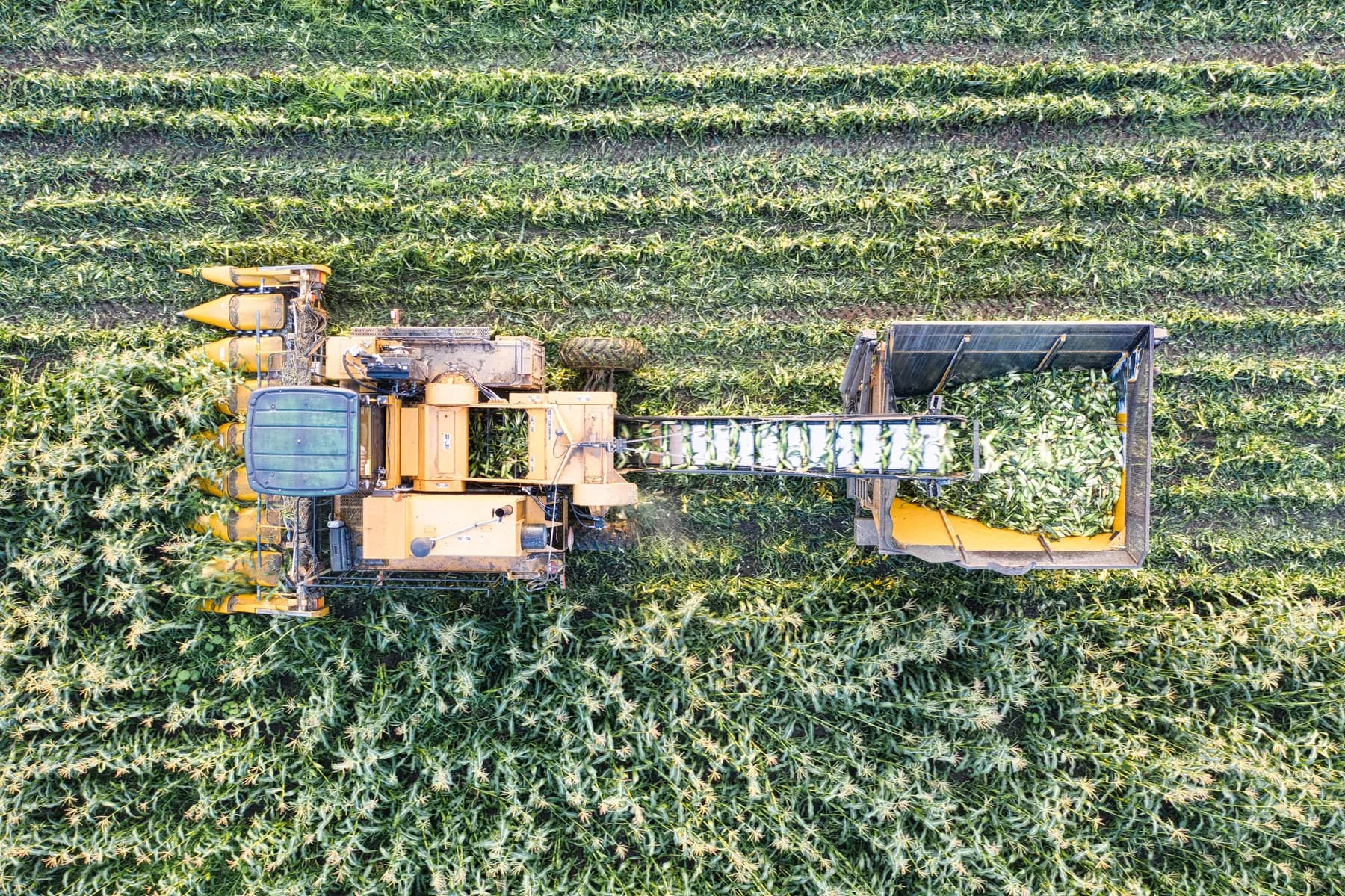
- Grain maize is harvested at physiological maturity; forage maize is cut earlier at a soft-to-dough stage. The Vietnam extension source describes this distinction for winter maize, so choose the market and harvest target before planting.5
- Dry and store to specification
- Check ear and grain condition, record harvest date and moisture, and dry grain to buyer and storage specifications. FAO reported 2025 winter-spring harvest continuing through July and later summer-autumn harvest into the end of the year; local fields mature at different times.2,3
Frequently asked questions
- When is corn planted in Vietnam?
- There are several regional seasons. FAO’s 2026 brief says the largest winter-spring crop was being planted through February, with summer-autumn planting from June; provincial schedules differ.
- When is maize harvested in Vietnam?
- Harvest can run from spring through late year depending on region and crop. The 2025 winter-spring harvest continued to the end of July, while the summer-autumn crop was harvested later.
- How far apart should corn be planted in Vietnam?
- A historical VAAS LVN14 guide gives 50–60 cm rows and 25–30 cm within rows for that variety. Check current seed and provincial recommendations before using those measurements.
- Does Vietnam have one national maize planting calendar?
- No. Northern, central and southern regions grow maize in different seasons and crop rotations. Use the provincial crop calendar for the specific field.
Regional corn guides
Sources and image credits
- 1. FAO GIEWS — Viet Nam country brief — Reference date 26 February 2026. Current season outlook: winter-spring maize share and sowing progress, summer-autumn start and national crop conditions.
- 2. FAO GIEWS — Viet Nam country brief archive — Reference date 27 May 2025. Winter-spring maize harvest continuing through July, summer-autumn planting and crop-year production context.
- 3. FAO — Vietnam seasonal crop calendar presentation — November 2016. Regional spring, summer, autumn and winter maize planting and harvest examples; older seasonal references, not current annual dates.
- 4. Vietnam Academy of Agricultural Sciences — LVN14 maize production technical note — 2010 variety package. LVN14 maturity, region-specific seasonal examples, 65,000–70,000 plants/ha, 50–60 cm rows, 25–30 cm within-row spacing and harvest stage; not a current national prescription.
- 5. National Agricultural Extension Center — Winter maize on double-rice land — 8 September 2015. Northern, midland and north-central winter maize rotation example, sowing dates, maturity, seedling establishment and field preparation.
Image credits
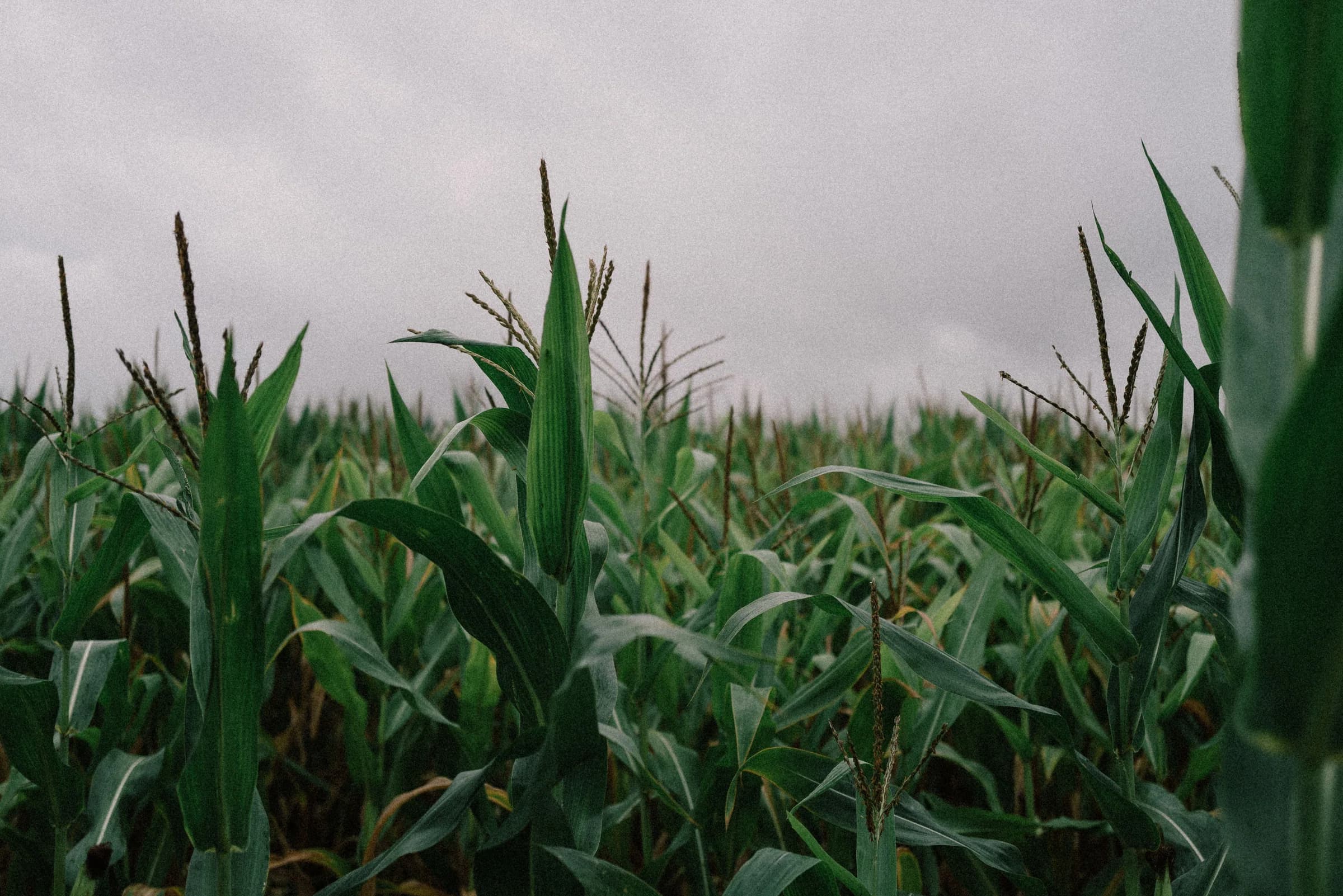
- Field corn. Photo: Lina Kivaka, via Pexels (Pexels License).
- Corn harvest from above. Photo: Tom Fisk, via Pexels (Pexels License).
Figures are published averages or study assumptions for the places named, not guarantees for your field. Check current local recommendations and product labels before acting.