

Growing corn in São Paulo
São Paulo has both summer first-crop corn and second-crop corn after soybean. Their sowing windows and climate risks differ across municipalities, soil water capacity and hybrid cycles. This guide separates those systems and uses the official ZARC as the planting decision tool rather than turning a statewide month range into a prescription.
Scope: Commercial grain corn, including summer first crop and second crop after soybean. Local municipality, soil water class and cultivar cycle determine the appropriate sowing dates. Updated 2026-10-07.
At a glance
- Water risk
- Flowering and grain fill are sensitive to water shortage1
Planting and harvest calendar for São Paulo
Use the source-backed production windows to coordinate establishment, crop care and harvest. Production districts and cultivars can have different cycles; the historical climate adds context for the field plan.
Planting: Documented first- and second-crop sowing periods2,3,4
Embrapa describes the summer first crop in the rainy-season window and the second crop generally from late December to early March, with risk rising in many areas by March. These are statewide references only; use the current São Paulo ZARC decêndios for the municipality, soil class and hybrid cycle.
Harvest: Observed corn harvest activity5,6
First-crop and second-crop harvests overlap across the state and vary with sowing date and maturity. Conab reported São Paulo second-crop harvest accelerating across regions in August 2025; monitor each field rather than treating the combined band as one crop calendar.
Historical monthly climate
Reference period: 1996-01-01 to 2025-12-31. ERA5-Land monthly mean soil temperature at 0–7 cm, air temperature and frost days at the regional reference point (-22, -48.5). Select a month to inspect its historical conditions.
Month tiles show mean topsoil temperature.
October historical conditions
- Mean topsoil temperature
- 25.7°C
- Mean air temperature
- 24.8°C
- Mean frost days per month
- 0.0 days
These are monthly means at one reference location. They describe seasonal field conditions, not crop maturity, actual seed-zone conditions, frost forecasts or a planting recommendation. Harvest bands follow the crop-specific production sources above.
Climate source: Open-Meteo Historical Weather APIChoose the right crop season
- 1
First crop
Rainy-season establishment; choose maturity and market first.
- 2
Safrinha
Schedule after soybean harvest and inside local ZARC.
- 3
Set hybrid
Match cycle to sowing date, water supply and frost risk.
- 4
Protect flowering
Check rainfall and stored soil water through grain fill.
- 5
Harvest by block
First- and second-crop fields mature at different times.
- Separate the first crop from safrinha
- Summer corn is established with the rainy-season system. Second-crop corn typically follows early soybean and must fit the shorter period before the dry season and, in cooler districts, frost risk.2,3
- Use the current São Paulo ZARC
- The 2025/26 MAPA portaria lists eligible municipalities and sowing decêndios by risk level. The analysis incorporates crop water and temperature needs, growth duration, soil water storage, rainfall and evapotranspiration; check the current version for the season you will plant.1,4
Plan sowing, hybrid and stand
- Lower end of cited range30,000 plants/ha
- Upper end of cited range90,000 plants/ha
- 1
Confirm seed lot
Check hybrid, germination and label guidance.
- 2
Set population
Use soil water, fertility, cycle and sowing date.
- 3
Calibrate planter
Match target spacing and machinery capability.
- 4
Inspect emergence
Count plants and correct setup before the next field.
- Plan first-crop sowing around rainfall
- The summer crop is planted in the rainy-season system. Use seedbed moisture and soil conditions to set field operations, and verify the current first-crop ZARC and hybrid group before finalizing dates.3,4
- Finish the predecessor on time
- For safrinha, prepare the corn plan before soybean harvest. Late sowing leaves less rainfall for flowering and grain fill; the 2025/26 ZARC for São Paulo is valid for that crop year only, so check the current seasonal release.1,2
- Select population and rows as a package
- Embrapa describes a broad 30,000–90,000 plants/ha response range that changes with water, soil fertility, hybrid, sowing date and row width. It is not a São Paulo target; follow the current hybrid guidance and calibrate the planter to the intended final stand.7
Protect water supply and use soil tests
- Lower reference500 mm over crop cycleClimate-screening reference; distribution through the crop cycle matters.
- Upper reference800 mm over crop cycleClimate-screening reference; distribution through the crop cycle matters.
- Keep water available through reproduction
- The current second-crop ZARC notes a water requirement of roughly 500–800 mm, well distributed over the cycle. Water shortage near flowering and grain filling can sharply reduce yield; the state panel models risk by municipality and soil water capacity.1
Monitor establishment and crop health
Harvest and market each crop separately
- Track first and second crops independently
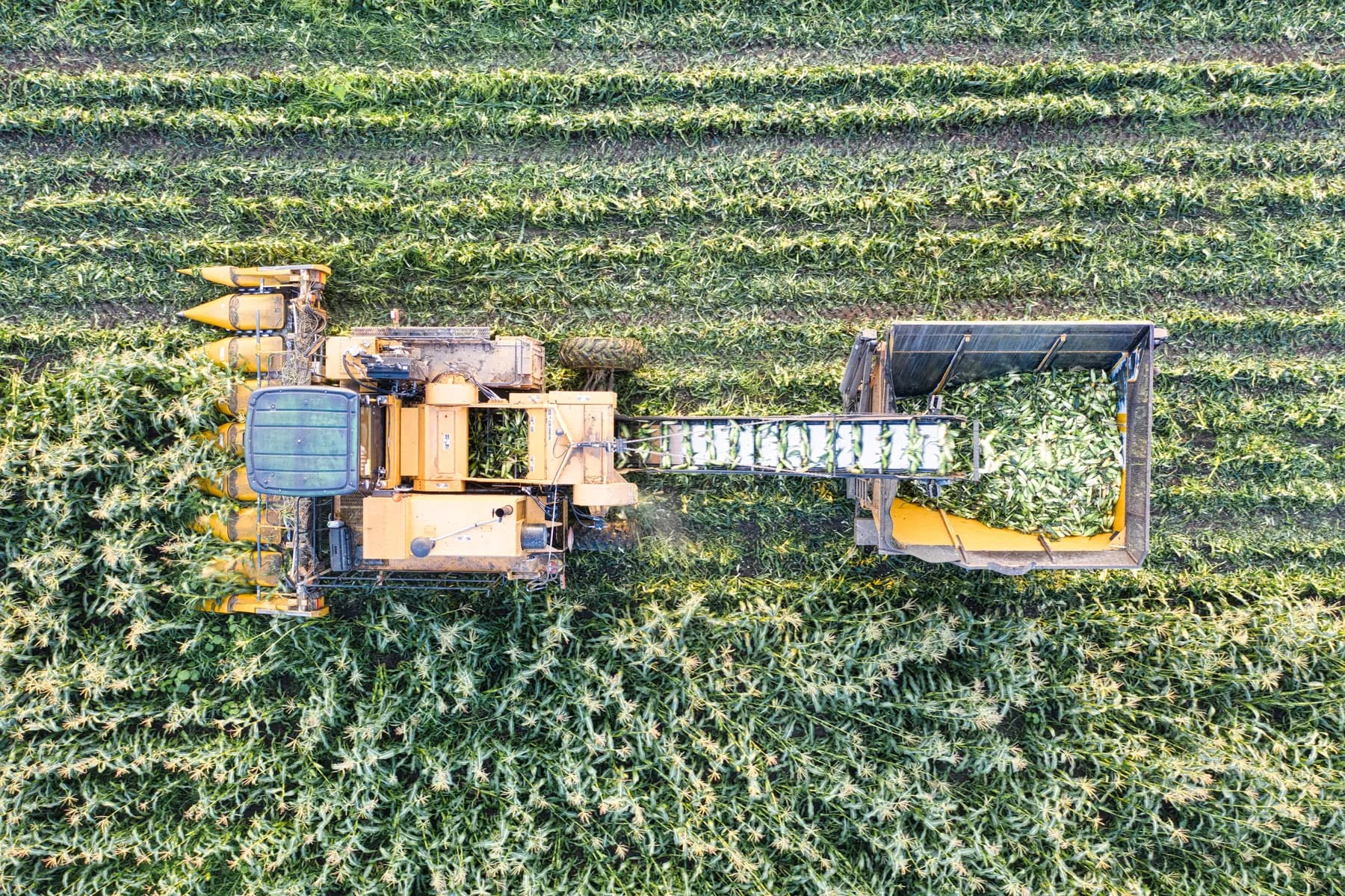
- Harvest timing differs by crop season and sowing date. In an August 2025 Conab report, São Paulo second-crop harvest was gaining speed while late planting and persistent rain delayed some operations; use that as an example of seasonal variability, not a fixed yearly date.5
- Agree on grain requirements
- Confirm the buyer’s moisture, grade, delivery and storage requirements before harvest. Monitor grain moisture directly and adjust combine and dryer settings to the lot condition.6
Frequently asked questions
- When is corn planted in São Paulo?
- São Paulo has a summer first crop and a second crop after soybean. Embrapa gives late December to early March as a broad second-crop period, but the current MAPA ZARC identifies sowing periods by municipality, soil and hybrid.
- Is there one statewide second-crop date?
- No. The official ZARC divides planting into ten-day periods and different risk levels; the appropriate periods vary with municipality, soil water capacity and hybrid cycle.
- How much water does corn need in São Paulo?
- The 2025/26 second-crop ZARC cites about 500–800 mm distributed through the crop cycle. Water shortage around flowering and grain fill is especially damaging.
- When is São Paulo corn harvested?
- First-crop and second-crop harvests occur at different times and vary by sowing date and maturity. Use the field’s grain moisture and local harvest reports to plan.
Regional corn guides
Local dates, soil-temperature history and sources for specific regions:
Sources and image credits
- 1. MAPA — ZARC for second-crop corn in São Paulo, 2025/26 — Portaria 396, 21 August 2025. São Paulo municipalities and planting decêndios by risk level; crop water requirement and water-sensitive growth stages.
- 2. Embrapa — ZARC sowing window for safrinha corn in São Paulo — 20 July 2020. General late-December to early-March second-crop reference and why the ZARC window is municipality-specific.
- 3. Embrapa — Safrinha corn production system — Accessed 7 October 2026. Definition of second-crop maize after soybean, cycle choice, and risk from sowing date, rainfall and cooler temperatures.
- 4. MAPA — 2026 ZARC update for grain corn — 11 July 2026. Current methodology: updated climate series and soil available-water classes in the official planting-risk system.
- 5. Conab — Brazilian grain crop monitoring, August 2025 — August 2025. Season-specific report: São Paulo second-crop harvest gathered speed in August 2025; late sowing and rain affected operations.
- 6. Conab — Brazilian grain crop monitoring, 2025/26 eighth estimate — May 2026. Recent São Paulo second-crop progress report; use as an example of that season, not a recurring date prescription.
- 7. Embrapa Maize and Sorghum — Plant spacing and population — Accessed 7 October 2026. Explains broad maize population range and the factors that change the stand target; not a São Paulo-specific recommendation.
Image credits
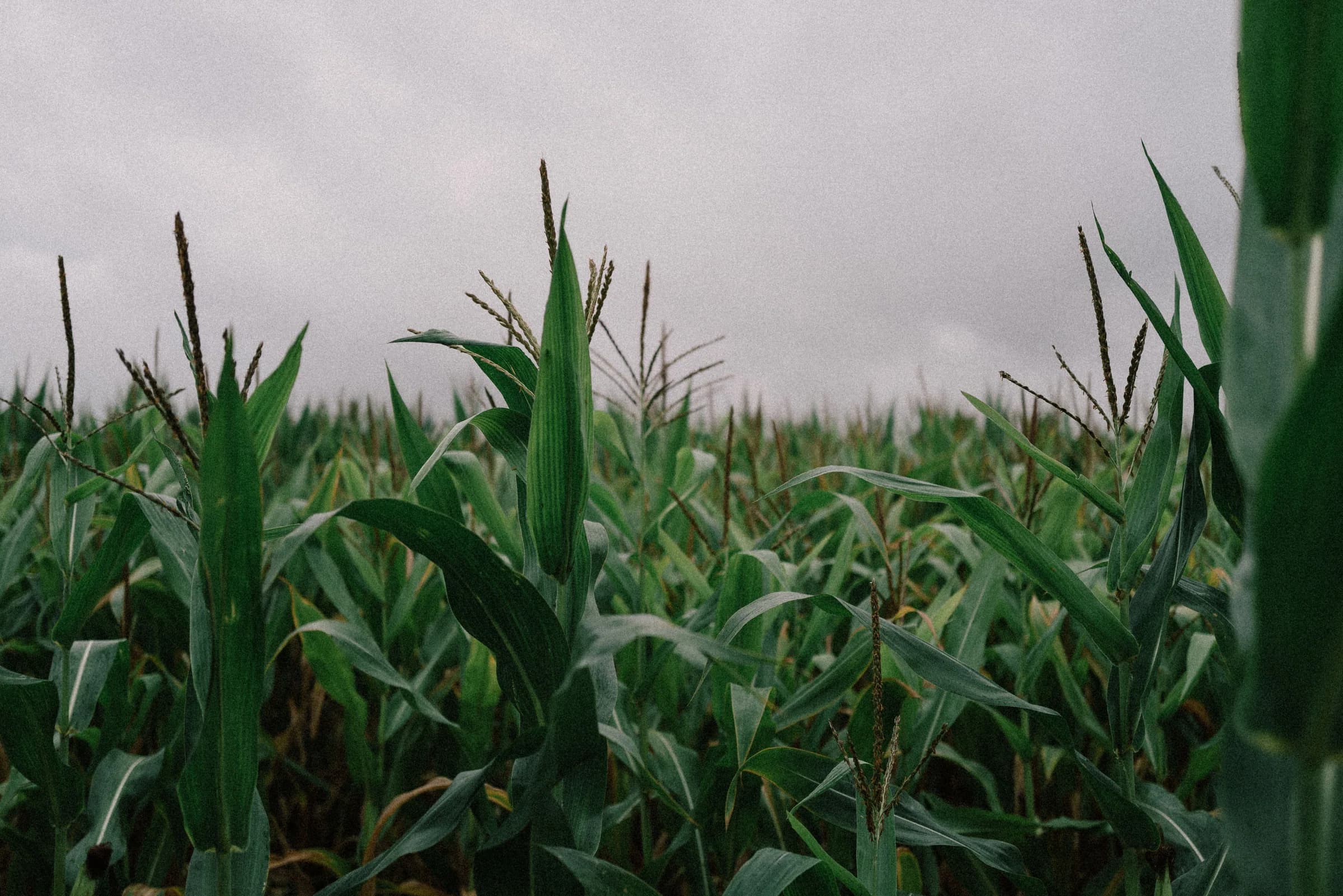
- Field corn. Photo: Lina Kivaka, via Pexels (Pexels License).
- Corn harvest from above. Photo: Tom Fisk, via Pexels (Pexels License).
Figures are published averages or study assumptions for the places named, not guarantees for your field. Check current local recommendations and product labels before acting.