

Caraway farming in Australia: feasibility
An Australian Government biosecurity review stated that caraway seed was not commercially produced in Australia and domestic supply depended on imports as of its 2020 market review. It is a dated market finding, not proof that production is impossible, but no local commercial crop protocol was found to support a standard growing guide.
Scope: Carum carvi seed production in Australia: planting-material access, local field trials and buyer requirements. Black seed and cumin are different crops. Updated 2026-10-07.
At a glance
Planting and harvest calendar for Australia
Use the source-backed production windows to coordinate establishment, crop care and harvest. Production districts and cultivars can have different cycles; the historical climate adds context for the field plan.
Historical monthly climate
Reference period: 1996-01-01 to 2025-12-31. ERA5-Land monthly mean soil temperature at 0–7 cm, air temperature and frost days at the regional reference point (-34.5, 147). Select a month to inspect its historical conditions.
Month tiles show mean topsoil temperature.
January historical conditions
- Mean topsoil temperature
- 29.1°C
- Mean air temperature
- 25.7°C
- Mean frost days per month
- 0.0 days
These are monthly means at one reference location. They describe seasonal field conditions, not crop maturity, actual seed-zone conditions, frost forecasts or a planting recommendation. Harvest bands follow the crop-specific production sources above.
Climate source: Open-Meteo Historical Weather APIDistinguish local demand from local production
- 1
Confirm product identity
Specify Carum carvi seed and intended grade.
- 2
Check current imports
Update market volume and import status before investment.
- 3
Contact processors
Verify quality, cleaning, moisture and delivery needs.
- 4
Model local costs
Include seed, machinery, harvest, cleaning and storage.
- Imports do not prove a local crop is profitable
- The Australian Government’s March 2021 seed-import review, citing a 2020 market analysis, states that caraway was not commercially produced locally and that supply depended on imports. This is useful market context for that review period, not a current import share, buyer contract or farm margin.1
Do not import a foreign crop calendar
- 1
Source legal seed
Verify crop identity, seed import and local availability.
- 2
Choose trial environments
Measure soils, temperatures, moisture and weed pressure.
- 3
Compare sowing systems
Record stand, flowering, seed set and harvest.
- 4
Test seed quality
Measure cleaning loss, moisture and buyer acceptance.
Separate agronomy from biosecurity
- 1
Check current import rules
Use current DAFF conditions for seed intended for sowing.
- 2
Keep seed-lot records
Retain source, variety and germination information.
- 3
Monitor trial plots
Record emergence, weeds, crop stages and seed losses.
- 4
Avoid unsupported chemical advice
Use only current, crop-registered Australian products.
Validate Australian field performance
- 1
Verify demand
Confirm a buyer and realistic price.
- 2
Validate seed supply
Check legal and commercial access to suitable seed.
- 3
Run a local pilot
Use multiple sowing dates and locations only when trial design supports it.
- 4
Scale after repeat results
Confirm stable seed yield and quality before expansion.
- Assess repeat local yields and seed quality
- Request Australian trial or grower records covering cultivar, establishment, management, yield and seed quality. Confirm a buyer and delivery specification, then use repeat local results to assess expansion. Import demand alone does not establish farm profitability.1,2
Frequently asked questions
- Is caraway grown commercially in Australia?
- A March 2021 Australian Government biosecurity review, citing a 2020 market analysis, said caraway seed was not commercially produced in Australia at that time. This is dated evidence, not a current census.
- Is caraway the same as black seed?
- No. Caraway is Carum carvi. Black seed is Nigella sativa, and cumin is another distinct crop.
- What is the Australian caraway planting season?
- No local commercial sowing calendar was verified. Do not import European dates as Australian recommendations.
- Can imported caraway demand support Australian production?
- Import dependence may suggest a market question, but it does not establish farm profitability. Confirm buyers, quality requirements, seed supply and local field performance.
Put your own numbers in
Sources and image credits
- 1. Australian Department of Agriculture, Water and the Environment — Final Review of Import Conditions: Apiaceae Vegetable Seeds for Sowing — March 2021; cites 2020 market analysis. Historical Australian caraway seed production and import-dependence statement; seed biosecurity review, not agronomy.
- 2. Australian Pesticides and Veterinary Medicines Authority — Spices crop-group definitions — Current crop-group reference. Caraway crop identity as Carum carvi and distinction from other spice crops.
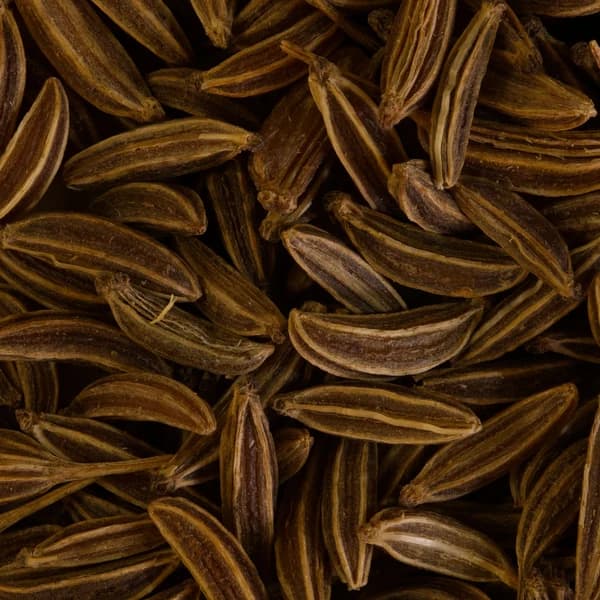
- 3. Caraway crop-identification photo — Stepan Vrany — Wikimedia Commons; Pexels License. Crop-identification image only; it is not a photograph of the named region or a production recommendation.
Image credits
- Crop-identification photo; not a Australia production field. Photo: Stepan Vrany, Pexels License.
Figures are published averages or study assumptions for the places named, not guarantees for your field. Check current local recommendations and product labels before acting.