

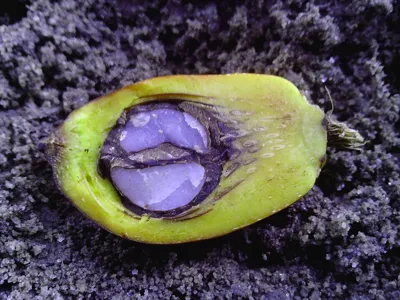
Growing Palm Kernels in North Carolina
Can you grow Palm Kernels in North Carolina? Not typically viable. Season ~23.9°C, rainfall ~1060 mm, winter low ~-3.7°C. Soil, climate and ROI data.
Decision snapshot
Regional screening evidenceScreening answer: The stored regional profile passes this first climate screen at the representative centroid. Parcel conditions and commercial feasibility still require verification.
Scope: This page assesses agronomic suitability. It does not determine whether cultivation is legal. Check current national, state, and local rules before planting.
- Observed region
- North Carolina
- Climate window
- Open-Meteo archive, 2021–2023 daily data
- Resolution
- Representative regional centroid, not a field survey
Assumptions, fit-shortfall, and next checks
A representative centroid and regional climate window cannot establish parcel soil, water access, elevation, infrastructure, labour, contracts, or local farm-gate economics. Use this page to identify the next question, then verify local evidence before committing capital.
Market Demand — Palm Kernels
Global consumption & trade · FAO 2010–2023Is Palm Kernels viable in North Carolina?
Palm Kernels is not typically viable in North Carolina: winter lows (~-3.7°C) drop below its ~5°C cold-hardiness limit, so it would freeze out in cold years; annual rainfall (~1060 mm) is below its 1500 mm need, so supplemental irrigation helps. Palm Kernels (Fruits & Stimulants, perennial) performs best around 24 - 32 °C with a seasonal water requirement of 1500 mm / season. Run a coordinate-level audit for mapped field-level estimates and local risk context.
Growing Palm Kernels in North Carolina: what to expect
Rainfall in North Carolina (~1060 mm/yr) roughly matches Palm Kernels's ~1500 mm need, so a normal year needs little supplemental water. Winter lows near -3.7°C will damage or kill Palm Kernels in cold years — grow it only in protected microclimates or pick the hardiest available cultivars. Plant Palm Kernels in early spring once the risk of hard frost has passed in North Carolina.
Soil and climate requirements for Palm Kernels
Compare mapped conditions for a selected field with the crop-profile requirements below before making a planting decision.
| Parameter | Palm Kernels Requirement |
|---|---|
| Soil pH | 5.5 - 6 |
| Water Requirement | 1500 mm / season |
| Optimal Temperature | 24 - 32 °C |
| Waterlogging Tolerance | Intolerant |
| Nitrogen Demand | Moderate |
Reference yield and price range
The figures below are crop-profile reference values, not a field-specific yield or profit forecast. Local costs, grade, packout and buyer terms still need to be entered or verified.
| Metric | Estimated Value |
|---|---|
| Reference yield per hectare | 0.75 t/ha |
| Reference yield per acre | 0.3 t/acre |
| Market Price | $348 - $695 / t |
| Estimated Gross Revenue | $391 / Hectare |
Palm Kernels in other regions
Other crops in North Carolina
Planning to Grow Palm Kernels in North Carolina?
Screen soil pH, temperature thresholds, monthly rainfall, and modelled margin assumptions across the available crop profiles.
Turn Search Insights Into Action
Run free instant calculations on soil compatibility, expected net margin, and fertilizer budgets.
Crop, Soil & Climate Screen
Compare pH, rainfall, temperature, and frost indicators across the available crop profiles at a selected location.
Crop ROI & Margin Estimator
Estimate yield per hectare, market revenue, labour expenses, and net margin from your assumptions.
NPK & Irrigation Calculator
Estimate Nitrogen, Phosphorus, Potassium (kg/ha), and seasonal irrigation water requirements.